What the capped baseline actually does to a vent gas capture project
The first question I get asked about vent gas capture is almost always the wrong one. It is some version of “how many tonnes will this make?”, as though the meter on the discharge side settles it. It doesn’t. The gap between the gas you capture and the credits you are allowed to claim is where most of the disappointment in this business lives, and it is almost always a design problem rather than a bad site.
Alberta runs its offsets through approved quantification protocols, registered project plans and third-party verification under the Alberta Emission Offset System. The vent gas protocol splits eligible work into two categories. Category 1 is conservation: injection into a sales gas line, on-site fuel gas, power generation. Category 2 is destruction: incineration, or tying into an existing flare. No, you do not get to build a new flare for this.
What the capped baseline means for vent gas capture credits
The part that catches people is the baseline. It is capped and dynamic, which in plain terms means your reduction is the lower of two numbers: the gas you actually metered and captured, or the Overall Vent Gas limit that Directive 060 applies to the site. That limit is 15,000 m³ a month of vent gas or 9,000 kg a month of methane, and a site is compliant if it meets either one; it does not have to meet both. From the cap you then subtract whatever venting the site still reports, because that volume sits inside the same limit.
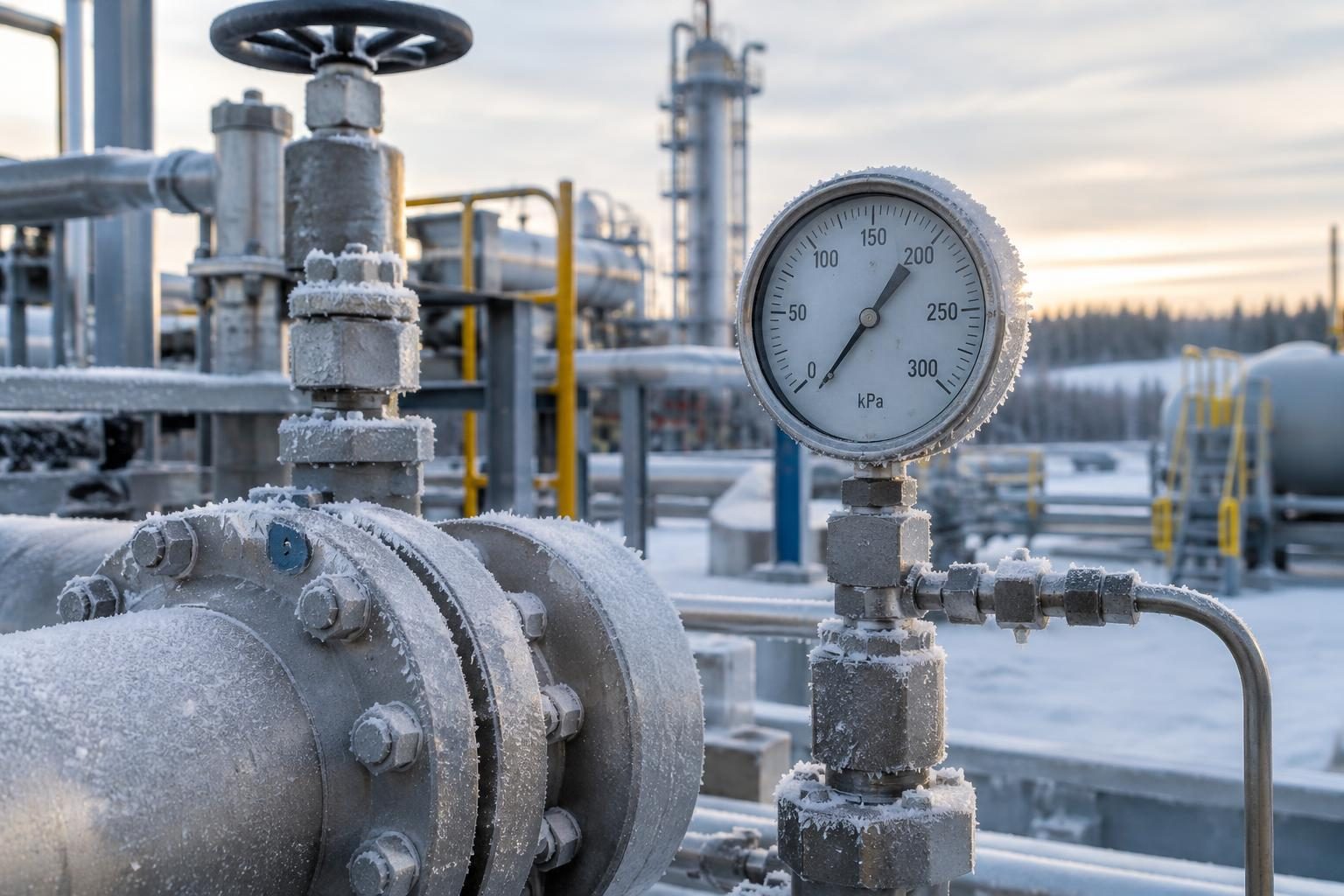
The protocol’s own worked example is the fastest way to see it. Capture 14,500 m³ in a month, but keep reporting 1,000 m³ of vented gas from sources the project never touched, and the baseline cap is 14,000 m³. Fourteen thousand is what you can claim. On one battery that is a rounding error you can live with. Across a twenty-site aggregation it moves the economics, and it tends to be discovered by a verifier rather than by the person who built the model.
Where you put the meter decides whether the project survives verification
Meter placement is the other one. Captured volume and composition have to be metered directly after the point of capture and upstream of any mingling or point of use. Tie the captured stream into the fuel gas header first and meter downstream of it, and you have handed a verifier a commingled volume nobody can separate after the fact. The equipment is fine. The measurement point is wrong, and there is no clever spreadsheet that fixes it later.
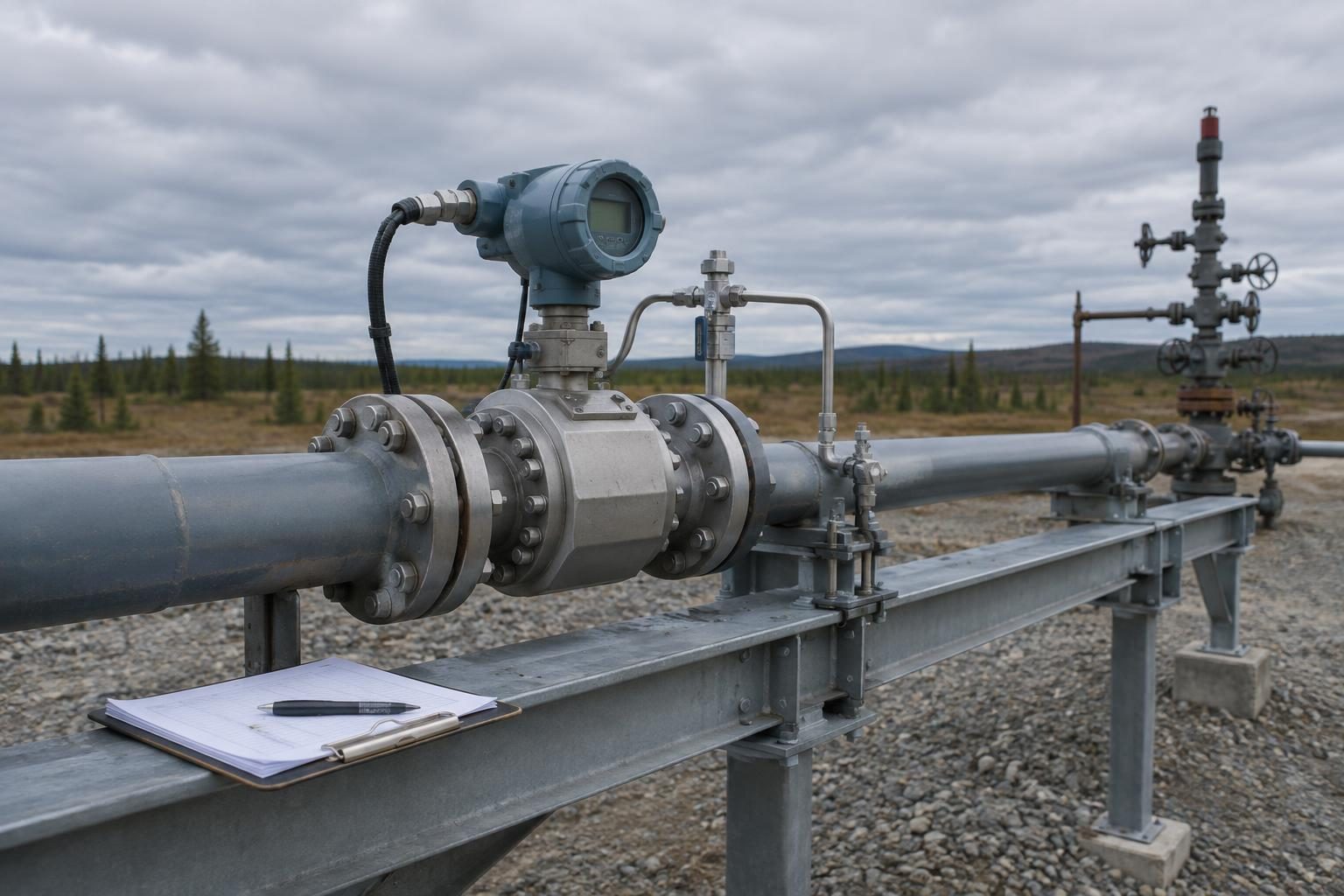
It is an uncomfortable thing to admit, but most of the value in carbon offset project development sits in decisions made before anything gets welded: where the meter goes, what it records, and who is accountable for keeping that record month after month.
Regulation in Canada’s oil and gas industry rarely stands still, and two things are in motion worth tracking. The current edition of Directive 060 took effect on 27 March 2026. And on 27 February 2026 the Director of Emission Offsets issued a memo confirming that the 30 September 2025 crediting deadline under Category 2 is being removed in the coming protocol revision, and that a new Category 3 covering surface casing vent flow destruction is being developed. A thirty-day public comment period follows publication of the draft. The instruction buried in that memo is the useful part for anyone already operating: keep maintaining the quantification, monitoring and verification records now, because continued eligibility depends on them being there when the revision lands.
On the capital side, the Methane Reduction Deployment Program covers up to 50 per cent of eligible costs to a maximum of $2 million per parent company, open to upstream and midstream Alberta operators until 31 March 2029 or until the funding is allocated. SCVF capture, pneumatics conversion and tank and compression venting mitigation are all on the eligible list. For energy services companies that have had a hard few years, that funding changes which projects pencil out.
None of this is exotic work. It is measurement discipline applied to gas you were already losing, documented well enough that someone who was not there can confirm it two years later. Get the meter in the right place and the rest is arithmetic. Get it wrong and you have a good project that cannot prove it.
 It is somewhat obscure outside of the field but
  For the purposes of this document we arranged to ask Raphael Tewes, a
  Post COVID-19 it has become clear that companies will have no choice to take online marketing in search seriously. As we emerge out the other side of this gripping lockdown, companies understand more today than ever, the importance of attracting leads from a variety of different venues. Worth mentioning is the companies ranking in what’s called Google Local.