Browsed by
Author: Eve Alexander

Canada’s Oil and Gas Giant: A Creative Perspective

Canada’s Oil and Gas Giant: A Creative Perspective

The oil and gas industry has always been a subject of complexity – with vast opportunities and lingering controversies. Canada, in particular, has been at the forefront of the sector, with its oil reserves ranked third in the world after Saudi Arabia and Venezuela. The industry has played a vital role in the country’s economy, and as such, various topics have littered discussions concerning it. From environmental concerns and extraction methods to production rates and supply chains, there is a lot to explore. In this piece, we will aim to delve into some exciting perspectives concerning the oil and gas industry in Canada.

Let us talk about the Albertan oil sands. These oil sands signify Canada’s largest recoverable resource, with over 165.4 billion barrels of crude bitumen reserves. It is quite perplexing to note that these sands make up approximately 97% of Canada’s proven oil reserves. This is pretty impressive, isn’t it? There have always been growing concerns about the environmental impacts of oil sands exploitation. Still, innovations and regulations have brought about newer and cleaner bitumen extraction methods, such as in-situ techniques, to improve the extraction process’s environmental efficiency. It is not surprising that the oil sands have contributed significantly to the province of Alberta’s economy – accounting for over 369,000 jobs and generating approximately 8.9% of the province’s GDP.

For the gas sector, Canada’s natural gas and liquefied natural gas (LNG) remains an integral oil and gas product. According to reports, Canada has an estimated 1,230 trillion cubic feet of natural gas reserves – over 1.5% of the world’s total. Now, seeing as the demand for natural gas is projected to rise by 26% over the next two decades, Canada’s reserves will undoubtedly plunge the country into a significant global export position. It is no surprise that the country has become one of the world’s top ten producers of natural gas, with a daily production of well over 15 billion cubic feet daily.

Finally, we take a quick look at Canada’s pipeline network. As oil and gas production increases, the need for transporting these products arises, and pipelines have proven to be a reliable way to transport crude oil and natural gas to various destinations. Canada’s pipeline network spans over 840,000 km, connecting oil and gas wells to export markets. Interprovincial pipelines, such as the Enbridge pipeline system, move oil and gas across various provinces. Hence, ensuring that products are delivered to their destinations efficiently.

In conclusion, the Oil and Gas industry is a crucial aspect of Canada’s economy that has brought about impressive revenue generation and employment opportunities for its residents. The country’s abundant reserves in oil sands and natural gas, as well as a functional pipeline network, have placed it in a significant global position in the industry. While concerns about the environmental impact of oil sands exploitation and gas production linger, one thing remains sure – Canada’s oil and gas industry will continue to expand, evolve and provide opportunities for growth and advancements.

Quilbot Edited Version

Canada is known to have a rich reserve of oil and gas, ranking third globally after Saudi Arabia and Venezuela. The oil and gas sector continues to provide a considerable contribution to the country’s economy. However, with a plethora of discussions surrounding the industry, it is crucial to highlight various perspectives on the matter. Albertan oil sands stands out as Canada’s largest recoverable resource with over 165.4 billion barrels of crude bitumen reserves. In fact, these sands represent close to 97% of Canada’s proven oil reserves. Despite growing concerns over the environmental impact of the oil sands exploitation, newer and cleaner bitumen extraction methods have been introduced, making the extraction process environmentally efficient. The oil sands industry has contributed significantly to the economy – creating over 369,000 jobs and accounting for approximately 8.9% of the province’s GDP.

Canada’s natural gas and liquefied natural gas (LNG) also form an integral part of the oil and gas industry. Canada has an estimated 1,230 trillion cubic feet of natural gas reserves – over 1.5% of the world’s total. The demand for natural gas is forecasted to rise by 26% over the next two decades. With Canada’s natural gas reserves, the country is in a great position to benefit significantly from the industry. As one of the world’s top ten producers of natural gas, with a daily production of well over 15 billion cubic feet, Canada has the potential to head towards a major global export position in the gas sector.

The country’s pipeline network has proven to be an efficient way of transporting natural gas and crude oil to various markets. The network spans over 840,000 km and connects oil and gas wells to export markets. The Enbridge pipeline system is an example of the interprovincial pipelines that move oil and gas across various provinces.

In conclusion, Canada’s oil and gas industry is crucial to the country’s economy. The abundance of reserves such as oil sands and natural gas, a functional pipeline network, and growing demand in the industry will continue to provide growth and opportunities for Canadians. While there are growing concerns regarding the impact of oil sands exploitation and gas production, newer and cleaner extraction methods have made it possible for the industry to move towards more sustainable practices.

What you need to know about Canada’s oil and gas industry

What you need to know about Canada’s oil and gas industry

Canada has long been known for its vast resources of oil and gas. With a wealth of natural resources, including oil sands and natural gas, the country has become home to one of the world’s largest and most efficient oil and gas industries.

The industry has played a significant role in the country’s economy, employing thousands of Canadians and generating billions of dollars in revenue each year. It has also fueled the growth and development of infrastructure projects, including highways, airports, and pipelines.

But despite the many benefits that the industry provides, it has also faced numerous challenges and controversy over the years.

One of the primary concerns surrounding Canada’s oil and gas industry is the impact it has on the environment. The extraction and production of fossil fuels have been linked to numerous environmental problems, including air and water pollution, a decrease in biodiversity, and climate change.

As a result, industry leaders have been working to reduce their carbon footprint and invest in renewable energy sources. Many companies have committed to reducing their greenhouse gas emissions and transitioning to low-carbon energy sources.

Another issue that has plagued the industry is the price volatility of oil and gas. The price of oil and gas is subject to fluctuation due to a variety of factors, including supply and demand, geopolitical tensions, and technological advances.

This volatility can have a significant impact on the industry’s revenue and the Canadian economy as a whole. It can also make it difficult for companies to plan and invest in long-term projects.

Despite these challenges, Canada’s oil and gas industry continues to be a critical component of the country’s economy. The industry employs thousands of Canadians and generates billions of dollars in revenue each year.

It has also fueled significant growth and development across the country, providing the resources necessary to build infrastructure projects and create new jobs.

Moving forward, the Canadian oil and gas industry will need to continue to adapt and evolve to meet the challenges of the future. This includes investing in renewable energy sources, reducing greenhouse gas emissions, and embracing new technologies.

By doing so, the industry can continue to provide economic benefits while also protecting the environment and ensuring a sustainable future for all Canadians.

Canada’s Oil & Gas Industry – A Force to be Reckoned With

Canada’s Oil & Gas Industry – A Force to be Reckoned With

With the world’s fourth-largest oil reserves, Canada’s oil & gas industry has come a long way since the discovery of the first oil well in 1858. Despite its struggles in recent years due to a drop in oil prices and regulatory challenges, the industry remains a significant contributor to the country’s economy and provides jobs to thousands of Canadians.

The last few years have been particularly challenging for Canada’s oil & gas industry due to the global shift towards renewable energy and the COVID-19 pandemic. However, the sector has continued to adapt and evolve, and experts believe it will remain an essential contributor to the country’s energy mix for years to come.

In the early days, the industry primarily focused on conventional oil and gas exploration and production. But in recent years, the focus has shifted towards unconventional resources such as shale gas and oil sands. While these resources come with environmental challenges, they have helped Canada become a significant contributor to the world’s energy landscape.

Despite the industry’s contribution to the Canadian economy, it has also faced significant regulatory and environmental challenges. The government has tightened regulations over the years, making it more challenging for companies to explore and produce energy resources. However, these regulations ensure that the industry operates in a responsible and sustainable manner.

The industry has also faced opposition from environmental and Indigenous groups, who argue that oil and gas development harms the environment and violates Indigenous people’s rights. While these concerns are valid, the industry has taken significant steps to address these issues and work with these groups to find solutions that balance economic development with environmental and social responsibility.

In recent years, the industry has also invested in technology and innovation to reduce its environmental footprint. Companies are exploring ways to reduce greenhouse gas emissions, decrease water usage, and minimize the impact of oil and gas development on wildlife habitats.

The industry has also faced economic challenges due to declining oil prices and uncertain investment environment. However, the sector remains a significant contributor to Canada’s GDP and provides jobs to thousands of Canadians. It also supports numerous other industries, from construction to transportation, and contributes to government revenues through taxes and royalties.

In conclusion, Canada’s oil & gas industry is a vital contributor to the country’s energy mix, economy, and employment. While facing challenges from regulatory and environmental concerns, the industry has adapted and evolved to remain a force to be reckoned with. With continued investment in technology and innovation, the sector has a bright future, and Canada will continue to be a significant player in the world’s energy landscape.

The Evolution of the Oil & Gas Industry in Canada

The Evolution of the Oil & Gas Industry in Canada

For centuries, the oil and gas industry has been a significant part of Canada’s economy. It has contributed significantly to job creation, economic growth, and government revenue. However, the industry’s journey has been a bumpy one, characterized by numerous challenges and setbacks. In this article, we will explore the evolution of the oil and gas industry in Canada, with a focus on specific milestones and challenges that have shaped it over the years.

The Discovery of Oil and Gas

The oil and gas industry’s roots in Canada date back to the mid-19th century when the first commercial oil well was drilled in Ontario in 1858. Later, in 1947, the Leduc No.1 well was discovered, which marked the beginning of the oil and gas industry’s modern era in Canada. The discovery of this well was significant because it opened up the Western Canadian Sedimentary Basin, which is now the primary source of oil and gas in Canada.

The National Energy Program

In 1980, the Canadian government introduced the National Energy Program (NEP), which aimed to increase Canadian ownership and control over the country’s energy resources. The NEP was highly controversial, and many people in the industry viewed it as an attack on their businesses. The program led to a decline in investment in the industry, and many companies were forced to shut down or move their operations to other countries.

The Rise of Environmentalism

In recent years, the oil and gas industry has come under increasing pressure from environmentalists concerned about the impact of fossil fuels on climate change. This pressure has led to a significant shift in the industry, with many companies focusing on renewable energy sources and reducing their carbon footprint. However, this shift has been slow, and many people in the industry remain skeptical about the need for change.

The Future of the Industry

Despite the challenges facing the oil and gas industry in Canada, the future looks bright. Canada has vast reserves of oil and gas, and the industry is well positioned to take advantage of new technologies and emerging markets. The industry is also adapting to the changing landscape, with many companies investing heavily in renewable energy and other sustainable initiatives. Overall, the outlook for the oil and gas industry in Canada is positive, and it will continue to be a critical part of the country’s economy for years to come.

Conclusion

The oil and gas industry in Canada has come a long way since the first commercial oil well was drilled in 1858. It has faced numerous challenges over the years, including government intervention, environmental concerns, and changing market dynamics. However, the industry has persevered, and it remains a vital part of the Canadian economy. With significant reserves and a focus on sustainability, the future of the industry looks promising.

Energy Services Companies Throughout Canada and the US are Hurting

Energy Services Companies Throughout Canada and the US are Hurting

A quick growth segment in energy is the ESCO (Energy Service Company). Energy service organizations cover a diverse variety of energy sector solutions. An ESCO is a company that offers comprehensive energy solutions to their customers, like auditing, improving and developing changes to the ways the consumer utilizes energy, the main challenge being increased efficiency.

Evaluating only last year crude reached negative prices, we’ve since come-along way as energy news web-sites already are reporting that oil prices will continue to elevate through 2022. Even so there still remains much push back from administrations such as Canada, which have been executing policies that conflict with the industry in efforts to establish carbon neutral status in the future. In Canada albeit there are a variety of provinces and regions with oil reserves, none have more than that of Alberta. This particular province is holding 39% of Canada’s remaining oil reserves.

As the world emerges from the gripes of the COVID we’re witnessing the advancement of the ESCO. Another variation of energy service providers was the technological facet where technical measuring devices and additional diagnostic apparatus have grown to be common in this quickly evolving trade.

energy 2 300x225 - Energy Services Companies Throughout Canada and the US are HurtingIt is somewhat obscure outside of the field but energy rates and efficiency can be much better and in fact that is the central goal for most energy providers company. With deregulation in the USA energy market in the ’90s, the energy solutions company experienced a swift lift. Utilities, which for decades experienced the shelter of monopolies with guaranteed returns on power plant investments, now were forced to compete to supply power to the majority of their largest customers. Now they are customary amid many organizations such as municipalities, school districts, industrial projects and commercial verticals.
An enlightening examination between the USA and Canada demonstrates the contrasting disparities between a deregulating government like the USA is these days, and the progressive leading government of Canada. For that matter, as of writing this article Total has revealed they will be writing off over $6 billion in Alberta oil sands holdings in Canada.

With such a assortment of O&G solutions these providers offer, it is difficult to identify only a few while leaving out lots of other relevant varieties. but it is well worth keeping in mind that amongst this vertical, tech has played a pinnacle role in assisting the industry evolution. Though there are lots of different services inside this sector, one important thing they all share is an innate tie to the market in general.

Energy procurement organizations also play a crucial factor in the management of energy expenditures with the mission of lowering expenditures and making efficiency a main priority in numerous organizations. In contrast to popular opinion energy prices are in actual fact flexible and it’s energy consulting providers that can help companies discover more affordable energy prices. Energy consultants always initiate their jobs by conducting a total energy review and creating a start line. Energy consultants use a defined start point which is generally to execute a full and thorough energy audit, which could potential spot waste via pipeline leak detection, to be later applied as a gage of future energy savings. Organizations that use energy management companies understand the advantages of these reports by these energy service firms and so often work closely together. At this hierarchical tier the energy analysts have direct access to the organizations top brass.

Of the plethora of different service providers available, some may include shutdown providers, new plant construction, fuel flare venting, well service and chemical clean-up to name a few. You don’t have to look very far to see the devastation created by COVID19. Tens of thousands of jobs in the energy sector were lost in the first half of 2020 throughout the US and Canada.

energy 1 300x225 - Energy Services Companies Throughout Canada and the US are HurtingFor the purposes of this document we arranged to ask Raphael Tewes, a mobile steam services technician at Bloom Consulting what his thoughts were on the industry moving forward after the virus.
“What else can I say beyond it has been a disastrous strike to the sector but also we do really feel things will recuperate and we’re planning for that now.”

Shutdown solutions is another element to the wide range of services by energy service companies that entails project administration for the duration of operational shutdowns of facilities at the time of maintenance. This type of service can include all kinds of other services within it this includes regulative, measuring, proving and others. Depending on the scope of the job, these projects primarily last from two to four weeks.

ESCOs understand the complexity of maintaining governmental and other regulative guidelines to ensure they can attain efficiency, conformity and cost savings, for whatever company they have been working with. While it’s true there is certainly countless assorted providers delivered under the energy service array, what is certainly, cost and efficiency as their primary focus.

Ahead of COVID we’d already started to see utility companies begin to transform themselves and make themselves more relevant by grouping service you may not of previous thought they could offer. Things like internet providers now offering bundles with TV and home phone on top of the internet service. It’s become widespread in the United States and Canada that energy providers are now offering bundled service like television, Internet and home phone but actually there is way more of this going on in the B2B side whilst society monitoring and alarm systems are also being offered. From a purely financial/company understanding this marriage of utility company and service company is quite smart.

Now before you go thinking this means the end of energy service providers organizations I’d like to emphasis that industrial energy service providers companies or those working in vegetation management, are a modern necessity and can never be substituted by utility giants. While there remains the chance they could bring them more internally versus outside private organizations. That said we wish that 2022 brings much prosperity to the energy sector and we can think back at 2020 as a year of lessons.

Should You Think About Marketing For Your Energy Services Company?

Should You Think About Marketing For Your Energy Services Company?

Of course you should! But seriously, in large most energy services companies don’t bat an eye when it comes to marketing and improving their exposure in search engines like Google, Bing and Yahoo.

In a recent study the extent of limited marketing for energy services companies became clear. The conclusion of this study displays that the vast majority of energy companies do not focus much of their marketing budget towards SEO (search engine optimization) or Google Local SEO.

energy services marketing - Should You Think About Marketing For Your Energy Services Company?Post COVID-19 it has become clear that companies will have no choice to take online marketing in search seriously. As we emerge out the other side of this gripping lockdown, companies understand more today than ever, the importance of attracting leads from a variety of different venues. Worth mentioning is the companies ranking in what’s called Google Local.
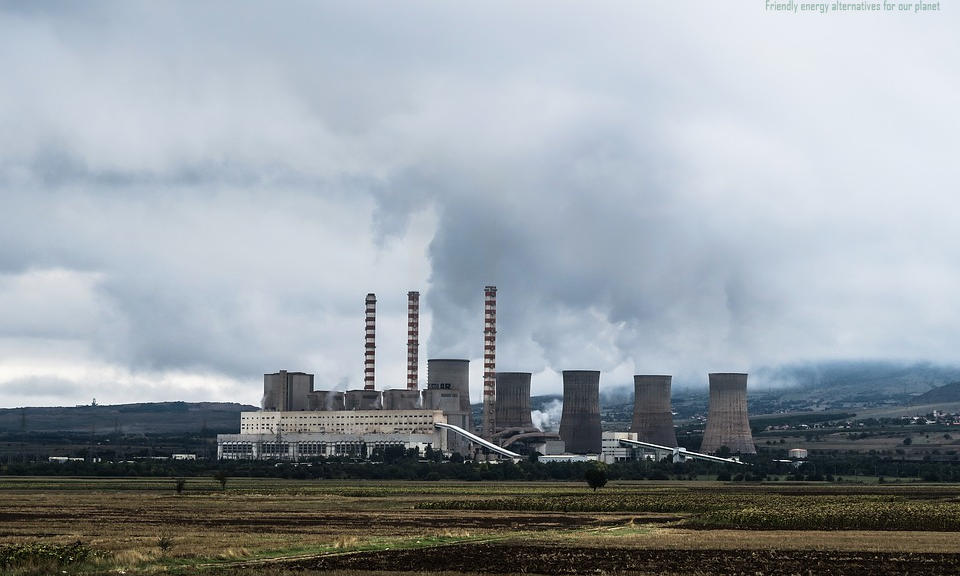
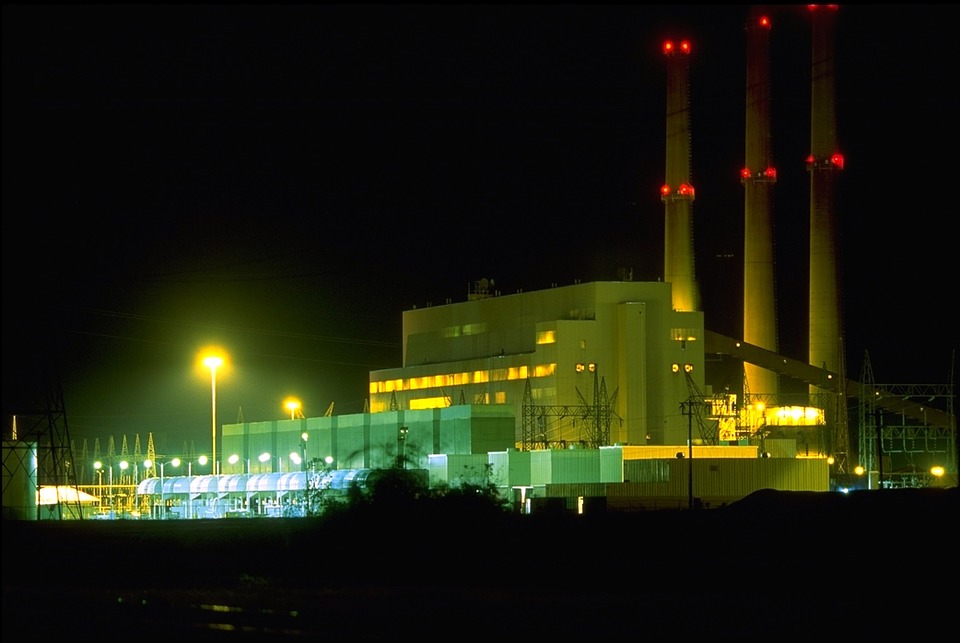
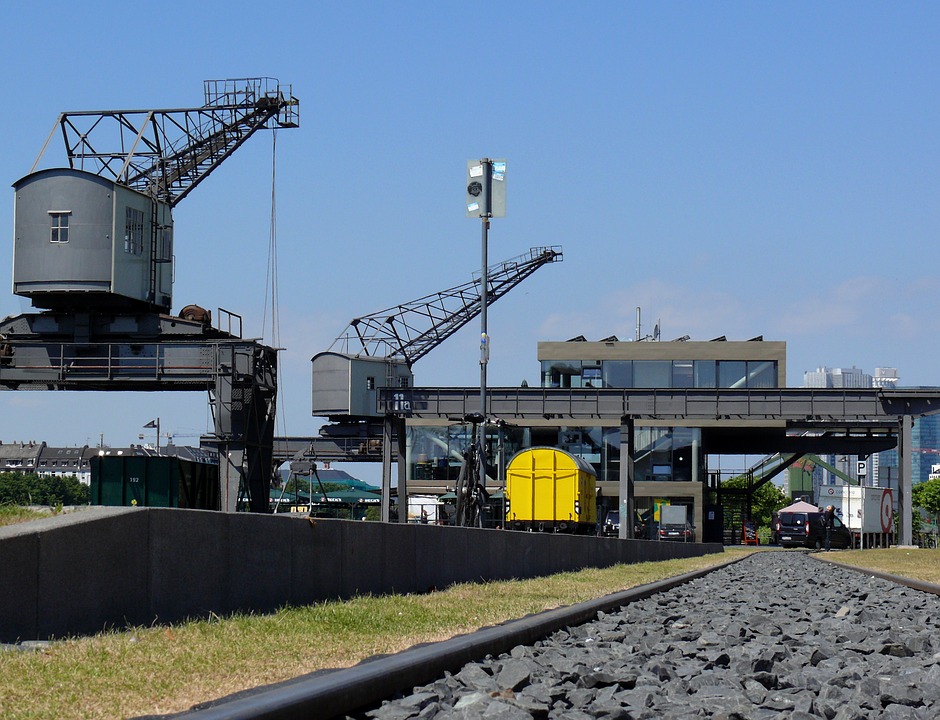
Google Local is a different search query than a traditional Google search. These queries trigger when someone searches for “XYZ service near me” or “XYZ service in ABC city”. The results shown come from Google My Business and Maps. Surprisingly though there are many energy services companies that do not claim their business or even know how to. Claiming your business is when you verify ownership of the business in the eyes of Google by means of a coded postcard in the mail. Until you claim your business Google will naturally have your business listed but you have no control over that business including reviews, hours of operation, locations, description and services to name a few.

As you can see it is of the utmost importance to remain on top of your digital marketing efforts of your business. The higher your business ranks in both Google Local and Google organic, the more likely potential clients will view you as the authority and chose you or your competitors.

At the end of the day there are a laundry list of items one should keep tabs on to remain relevant and ahead of the competitor curve when it comes to energy services companies and how they market themselves. Generating a consistent flow of inbound energy leads can be difficult and tedious, therefore it’s important to select a marketing company with a keen eye on the pulse of the energy sector and who knows how to generate energy leads to your business.

One such company we’d recommend who’s up to the task is Energy Services Marketing (ESM), a marketing and lead generation company solely focused on the energy sector. ESM is at the forefront of SEO and lead generation for energy services companies and their results stand testament to this.

Fossil Fuel Against Clean Energy, Which One is More Affordable for the World?

Fossil Fuel Against Clean Energy, Which One is More Affordable for the World?

We understand that when it comes to the many alternatives of energy that we have, each one of them has their own differences that made them sometimes more appealing than others. Fossil fuel, for instance, is one of the most used ways to get our energy, and we have known this source for a long time, making us experts in using it.

But the clean energy sources are also attractive for us, since they represent a better way to save our planet, and as well an interesting approach of what we can do without making harm to our environment.

Both of these options are acceptable when it comes to collect our energy, but one of their differences is how cheaper or expensive they are. And here, we will learn about the price of each one, which one is more affordable for us to use, as well what clean energy can give us that fossil fuel can’t and vice versa.

Fossil Fuel

plant fossil fuel energy - Fossil Fuel Against Clean Energy, Which One is More Affordable for the World?

When it comes to fossil fuels, one of the advantages is that is cheaper to store, as well to transport, making it probably the first option and the easiest way, since it does not need a lot of effort and manpower for the process or to maintain it safe, something that you cannot achieve with other energy resources.

Clean Energy sources

industry machine transport system - Fossil Fuel Against Clean Energy, Which One is More Affordable for the World?

This kind of energy requires a lot of manpower, but companies will need more attention and workers, which mean that there will be an increase in jobs and it will affect the economy positively. Not only that but with its low waste, it does not need a large residual area, making it more affordable.

In overall, Fossil Fuels are cheaper to produce.

waters sunset sky dusk river - Fossil Fuel Against Clean Energy, Which One is More Affordable for the World?

Sure, it is expensive to extract the oil and refine it, as well paying the personnel, but the return investment compensates for those expenses, not to mention that the newer machines reduce the cost of extracting the oil.

There is no doubt when it comes to these two types of energy one is cheaper than the other, but we must not forget that each one have their beneficial parts and, in comparison, they save money in different ways.

Renewable Energy – What we Know so Far

Renewable Energy – What we Know so Far

We’ve been used to fossil fuel for a long time and is easy to see why since it offers the best and most basic way to get our energy without presenting any inconvenience, or at least that’s what we previously thought.

Nowadays we understand that renewable energy is the way to go since fossil fuel energy has damaged our environment to catastrophic levels. That’s one of the main reasons why renewable energy is so appealing today and represents the future for our society if we wish to finally be able to save our planet, without giving up our technology.

What is Renewable Energy?

solar system roof power generation - Renewable Energy - What we Know so Far

In order to explain what renewable energy is, we have to think about the energy sources that we have in our environment and can be naturally replenished without our intervention. One of these sources is the wind, and it is the most appealing and easy to absorb, thus wind power is seen as one of the easiest ways to extract renewable energy.

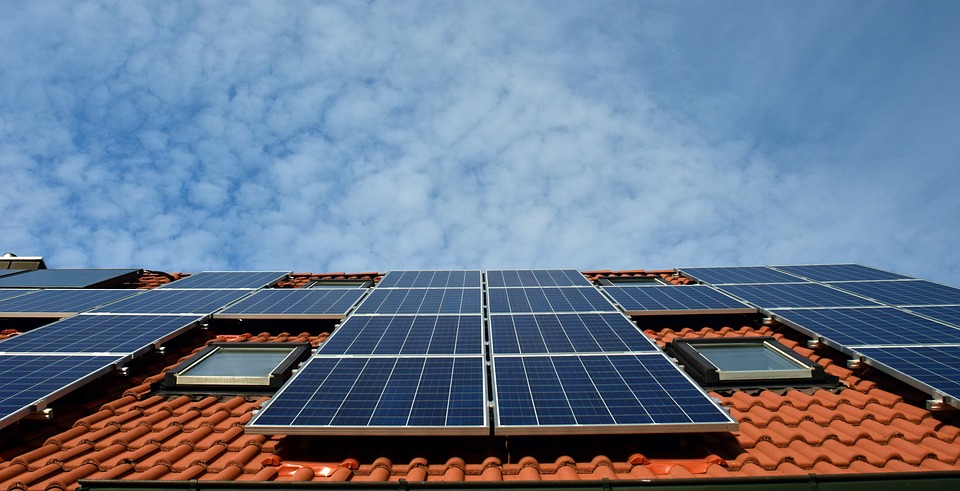
That’s one of the ways we can observe renewable energy in our environment, there’s also hydropower energy and solar energy, that is also being used in creative ways such as solar panels in buildings which can absorb part of their energy consumption with these panels.

What Role Does Renewable Energy Play in America?

alternative cell clean ecological - Renewable Energy - What we Know so Far

Keep in mind that we’ve already seen the contamination and damaging effects of fossil fuels, and we’ve mentioned that we’ve used this method for a long time. Using renewable energy sources help us clean our planet and set ourselves up for a better future. Not to mention that helps reducing greenhouse gas emission, and it doesn’t produce harmful waste to our environments.

There’s no doubt that the future is built with renewable energy, but still is hard for us to free ourselves from the use of fossil fuel, that’s why we need to further research on renewable energy sources, and how to ease the change of sources in our lives gradually.

The Bright Side of using Fossil Fuel in Modern Times

The Bright Side of using Fossil Fuel in Modern Times

Fossil Fuel energy is the world’s most used way to obtain our fuel and electricity, and after decades of using this incredible resource for producing our energy, it is time for us to read what the advantages are.

Fossil Fuels are the foundation for other types of energy

dawn drill dusk evening - The Bright Side of using Fossil Fuel in Modern Times

Definitely, we are more advanced in how we use fossil fuel, thanks to all those years in which we have been developing our technology towards the use of this resource. It is a well-known fact that our telephones, computers and even other renewable sources of energy have a foundation in fossil fuel.

Cheap and reliable

photography of one us dollar banknotes - The Bright Side of using Fossil Fuel in Modern Times

An important fact about fossil fuel is that it is more affordable than any other type of energy, this includes any type of renewable energy as well. Not to mention, that it is easier to transport and store, also, it is a a reliable type of source that has proven to be effective in any given task.

Fossil Fuel is safe to use

low angle view of illuminated tower against sky at night - The Bright Side of using Fossil Fuel in Modern Times

Thinking about the other ways of energy, fossil fuel is, by far, a safer alternative than the experimental projects on renewable energy. In addition, this resource has been catching up with the multiple problems that are occurring on our planet, and it has been reducing the emission of greenhouse gasses.

Fossil fuel is still available

person taking a photo of blue and white gasoline station - The Bright Side of using Fossil Fuel in Modern Times

We know that this is a non-renewable type of energy, but believe it or not, there are still a lot of fossil fuels resources that are being discovered each year, making it sustainable and prolonging the duration of such energy.

Without a doubt, Fossil fuel is a formidable way of getting our energy and for the time being, it has proven to have a lot of benefits for us and our technology.